Posted on Leave a comment

Enlarging Our Capacity to Receive God’s Blessings

Have you ever considered that God has blessings prepared for you—gifts, opportunities, and breakthroughs—that you may never receive? That might be a shocking thought. It may even feel discouraging. But what if the issue isn’t that God is withholding something from you, but that your capacity to receive isn’t large enough? The truth is, God desires to pour out His goodness in our lives, but we must be prepared to receive it.

Prepare for What’s Coming

In Isaiah 54, God speaks to people who are discouraged and feel like they lack what they need. Instead of telling them to wait passively, He instructs them to prepare for His blessings:

“Enlarge the place of your tent, stretch your tent curtains wide, do not hold back; lengthen your cords, strengthen your stakes. For you will spread out to the right and to the left; your descendants will dispossess nations and settle in their desolate cities.” — Isaiah 54:2-3 (NIV)

This passage is a powerful reminder that when we go through difficult seasons, we often shrink our expectations. Disappointment, shame, and fear of the future can limit our vision. In ancient Israel, barrenness was considered a disgrace, leaving a person without hope of legacy or inheritance. But God spoke to His people in the midst of their discouragement and told them to expand—to prepare for growth before they even saw the results.

Gideon had a similar experience. He was hiding in a winepress, trying to protect a small harvest from being stolen, when God called him a “mighty warrior” (Judges 6:11-12). Gideon saw himself as weak, but God saw what he could become. God is never limited by our circumstances—He wants to bless us beyond what we think is possible!

Faith Determines Capacity

God’s Word makes it clear that He has good plans for us:

“‘For I know the plans I have for you,’ declares the Lord, ‘plans to prosper you and not to harm you, plans to give you hope and a future.’” — Jeremiah 29:11

“Every good and perfect gift is from above, coming down from the Father of the heavenly lights.” — James 1:17

However, while God is always willing to bless, our faith determines our capacity to receive. The Israelites who scouted the Promised Land had a choice: believe in God’s ability to bring them victory or focus on the obstacles. Ten spies saw giants and declared defeat, while Caleb, who had a different spirit, believed in God’s promise (Numbers 13:1-3, 25-28). Later, the New Testament confirms that their unbelief limited what God could do for them (Hebrews 3:9).

Growing Our Faith to Receive More

If we want to increase our capacity to receive, we must grow our faith! Consider the example of the centurion who came to Jesus for healing:

“Then Jesus said to the centurion, ‘Go! Let it be done just as you believed it would.’” — Matthew 8:13

Our faith determines the measure of what we receive. The Bible tells us that faith comes and grows by hearing the Word of God:

“Faith comes by hearing, and hearing by the Word of God.” — Romans 10:17

One of the most practical ways to grow in faith is through intentional meditation on Scripture:

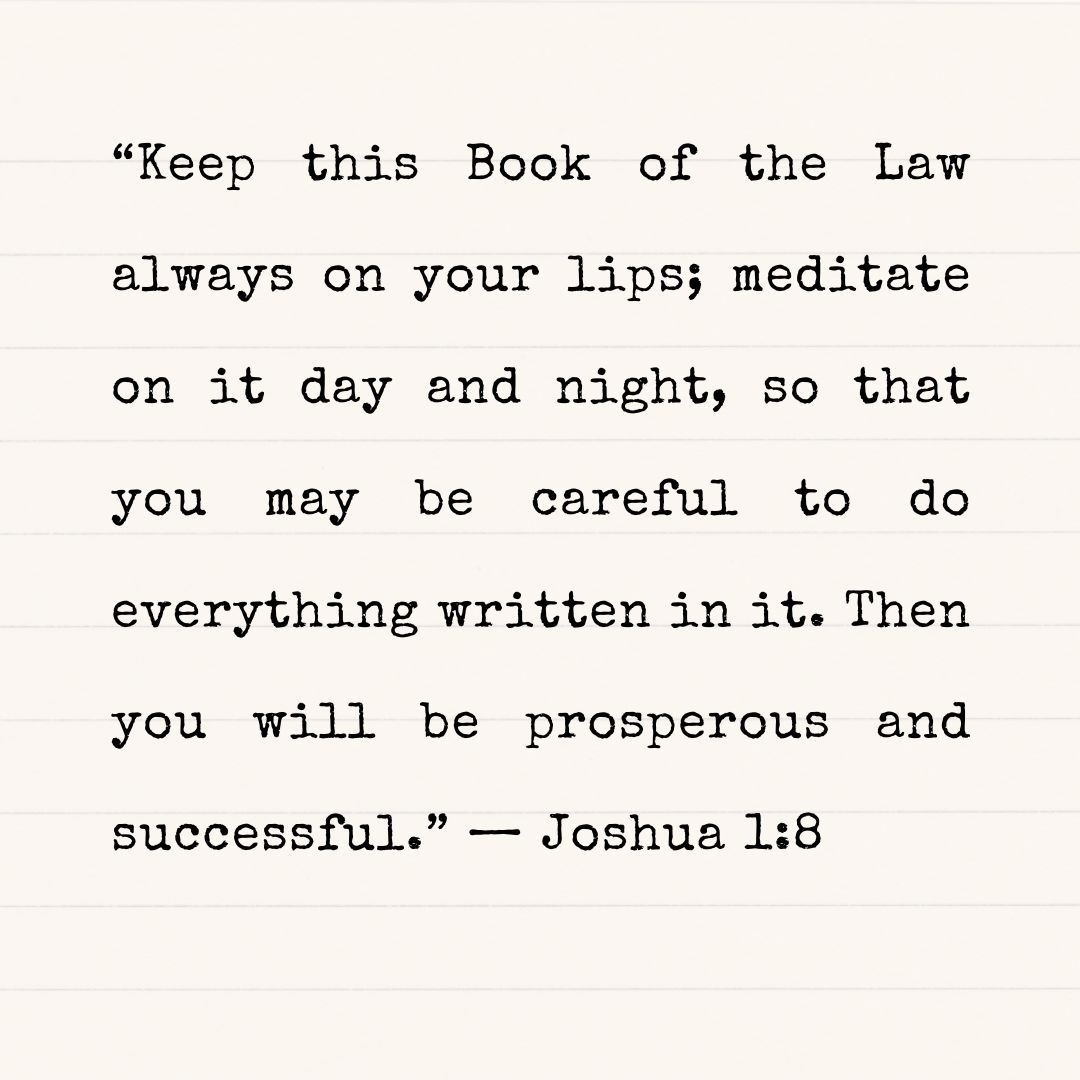
“Keep this Book of the Law always on your lips; meditate on it day and night, so that you may be careful to do everything written in it. Then you will be prosperous and successful.” — Joshua 1:8

Taking Action

So how do we apply this in our lives? We build our faith by studying, praying, and speaking Scriptures relevant to our situation. When we fill our hearts and minds with God’s Word, we expand our capacity to receive what He wants to give us.

This week, let’s take intentional steps to do just that. Find scriptures that speak to your needs, meditate on them, and declare them in faith. God is ready to bless you—are you prepared to receive?

Posted on Leave a comment

The Power of Prayer – Intercession

Understanding the Role of Intercession

Every person has things in their life that they care deeply about—family, friends, church, community, and even government. When these aspects of our lives are not as they should be, we long for change. Fortunately, as believers, we have a powerful tool to bring about transformation—intercession.

What Does the Bible Teach About Intercession?

Intercession is a vital component of a believer’s prayer life. The Bible distinguishes between different types of prayer:

  • Supplication – Simply asking God for something.
  • Prayer – A broad term encompassing all communication with God.
  • Giving of Thanks – Expressing gratitude and praise to God.
  • Intercession – Standing in the gap for others, bringing their needs before God.

Intercession is not just encouraged but commanded in Scripture and modeled by many biblical figures.

Biblical Examples of Intercession

Old Testament Examples

  • Abraham interceded for Lot and his family (Genesis 18:22-23).
  • Moses pleaded with God not to destroy Israel. His prayer brought mercy to the people so that the children and young adults could enter the promised land despite the evil choices of their elders. (Numbers 14:5-6, 20).
  • Samuel interceded for Israel after they repented from idolatry, leading to God’s intervention against the Philistines (1 Samuel 7:5).
  • Prophets like Amos, Ezekiel, and Elijah also stood as intercessors for the people.

New Testament Examples

  • Paul prayed for:
    • The salvation of Israel (Romans 10:1).
    • A spirit of unity within the church (Romans 15:5-6).
    • Believers to know God and understand their spiritual inheritance (Ephesians 1:15-23).
  • Stephen interceded for his enemies as they stoned him (Acts 7:59-60).
  • Jesus continually intercedes for us at the right hand of God (Romans 8:34). He also prayed for Peter that his faith would not fail (Luke 22:31-32).

How Does This Apply to Us Today?

The Call to Intercede

God commands us to intercede. He is actively looking for those willing to stand in the gap and pray for the needs of others:

  • Ezekiel 22:30 – God searches for someone to intercede on behalf of the land.
  • Ezekiel 33:6 – We will be held accountable for failing to intercede when we see danger coming.

Intercession strengthens Christian fellowship and is an antidote for selfishness. As Dietrich Bonhoeffer wrote:

“A Christian fellowship lives and exists by the intercession of its members for one another, or it collapses. I can no longer condemn or hate a brother for whom I pray, no matter how much trouble he causes me. His face, that hitherto may have been strange and intolerable to me, is transformed in intercession into the countenance of a brother for whom Christ died, the face of a forgiven sinner.”

The urgency of intercession is also emphasized by Leonard Ravenhill:

“If we had more sleepless nights in prayer, there would be fewer souls to have a sleepless eternal night in hell.”

Taking Action

Intercession is a powerful force for change. We must pray for our families, church, community, and world as believers. By intentionally committing to intercession, we align ourselves with God’s heart and become instruments of His will.

For more information on prayer and intercession, the following books are excellent resources (please note I receive a small commission for books purchased through this blog):

How to Labor in Prayer for Breakthrough 

Prayers That Availeth Much

The Intercessors Handbook: How to Pray with Boldness, Authority, and Supernatural Power

Intercessory Prayer: How Can Can Use Your Prayers to Move Heaven and Earth


Will you take up the call to intercede today? What specific areas are you asking God to intervene in?

I would love to hear your comments and pray in agreement with you!


Blessings,

Erin